
When to Use an At-Home COVID Test in 2026
Most experts say you still need COVID tests on hand. Find out when to test for COVID and what you need to know.
By Linda Rath | April 3, 2026
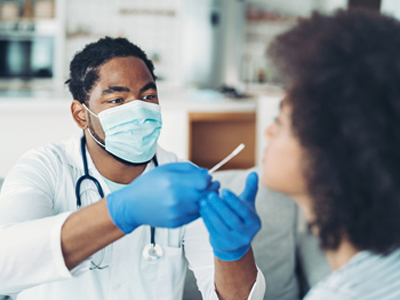 You can still buy a COVID test kit at most pharmacies and online, although — unlike during the pandemic, when the federal government was providing them for free — you’ll likely have to pay for it. But do you need one? For many experts, the answer is ‘yes,” especially for pinpointing the cause of symptoms and for high-risk patients.
At-home COVID test vs. PCR test
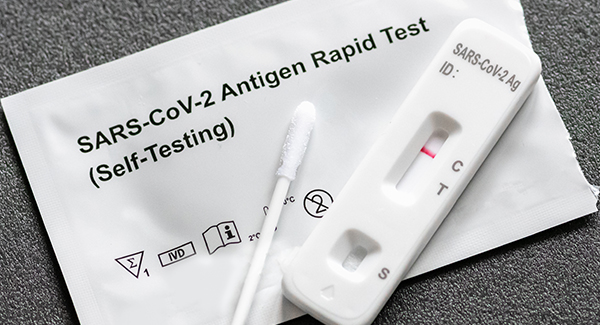
The most common at-home COVID test is an antigen, or rapid, test that works by detecting proteins on the surface of the virus. It usually uses a nasal swab and gives results in 15 minutes or less. It’s fast, easy and painless, but the false negative rate is high. This means you may have COVID even though the test says you don’t. False negatives are higher in people who don’t yet have symptoms. If you get a negative result, current recommendations are to take two tests 48 hours apart if you have symptoms and three tests 48 hours apart if you don’t have symptoms. This multiple testing is more likely to provide more accurate results.
You can also get a lab-based test that looks for viral RNA, like a polymerase chain reaction (PCR) test, which is usually used for COVID-19. PCR tests are highly reliable and may be used to confirm uncertain antigen results or for high-risk patients. But false negatives are still possible, especially before you have symptoms. For these, you usually can take a nasal or throat sample at home and send it to a lab for analysis. You should have the results in a few days. Most medical offices and hospitals also use PCR testing.
You can get results similar to PCR tests with the FDA-authorized combination COVID and flu test called Lucira. It runs on a small, hand-held device and gives pretty accurate results in about 30 minutes. So far, though, no home test can exactly replicate the results you would get from a lab analysis, which requires sophisticated machinery and technical expertise. At-home PCR tests are not a stand-in for lab-based diagnostics.
COVID antibody tests
This blood test looks for antibodies your immune system makes against the coronavirus. An antibody test can show if you have had COVID in the not-too-distant past or were vaccinated against the virus. It’s not a diagnostic test and can’t reveal if you’re currently infected. It may occasionally be used to discover the cause of a COVID-related complication, but more often it’s used for public health surveillance.
When to test for COVID
COVID and flu often have similar symptoms, so knowing which virus you have also means you can start the correct treatment sooner. If you start to have symptoms, you should test for COVID.
For the best results, Paxlovid — the main treatment for COVID — must be started within three to five days of symptoms. The flu treatment Tamiflu should be started within 48 hours of symptom development. Like the COVID test, the combination test is prone to false negatives. Although a negative flu test doesn’t require the same repeat testing that a negative COVID test does, you’ll need to follow the guidance about repeat testing if you’re using a combination test.
What a negative COVID test means
Rapid, at-home tests often give false negative results. A positive result is probably correct, but if the result is negative, you should test again in about two days — especially if you are sick. Go to a medical facility for a PCR test for more accurate results. If you have been around someone who is sick, wait about five days, and then test yourself.
Can you use a COVID and flu test at home?
Yes. If you don’t know whether you have flu or COVID, a combination test may be the best way to distinguish between the two. Many manufacturers now routinely combine COVID and flu tests in one kit. There are at least eight over-the-counter combination kits that test for COVID, influenza A and influenza B with a single swab. The combination kits are intended for adults and for children as young as 2. Also increasingly available are kits that test for COVID, flu and respiratory syncytial virus (RSV), a lung infection that can be life-threatening for some babies and older adults. Combination tests aren’t recommended if you don’t have symptoms. Find detailed information on test kits and how to use them on the FDA website.
How much does a COVID test cost, and does insurance cover it?
Home COVID tests are available at big-box pharmacies, like Walgreens and CVS, and from online retailers. The price depends on where you buy it and the brand, though a single COVID test kit usually runs around $10 to $12. A combo test kit can range from $20 to $25. Keep in mind that you need more than one test to confirm a negative result.
Whether insurance will cover the cost depends on your plan. During the pandemic, insurers were required to pay for eight free home COVID tests a month for everyone. That requirement ended in May 2023. Today, private or ACA Marketplace insurance may not pay for over-the-counter COVID tests, although your insurance may at least partially cover the cost of a lab-based PCR test ordered by a healthcare provider. The same applies to Medicare, which no longer covers home test kits, but does pay for prescribed, lab-based COVID tests with no cost sharing. Medicaid coverage varies by state.
You may still be able to find a few places that offer free tests, including community health clinics — the most reliable option — and certain programs for uninsured people. Your local health department may also be able to point you to free or low-cost PCR testing. In general, though, the days of universal free COVID tests ended with the pandemic.


Stay in the Know. Live in the Yes.
Get involved with the arthritis community. Tell us a little about yourself and, based on your interests, you’ll receive emails packed with the latest information and resources to live your best life and connect with others.